 502 5th Ave San Diego, CA 92101 | (619) 233-8519

How to Enjoy a Proper Pint of Stout
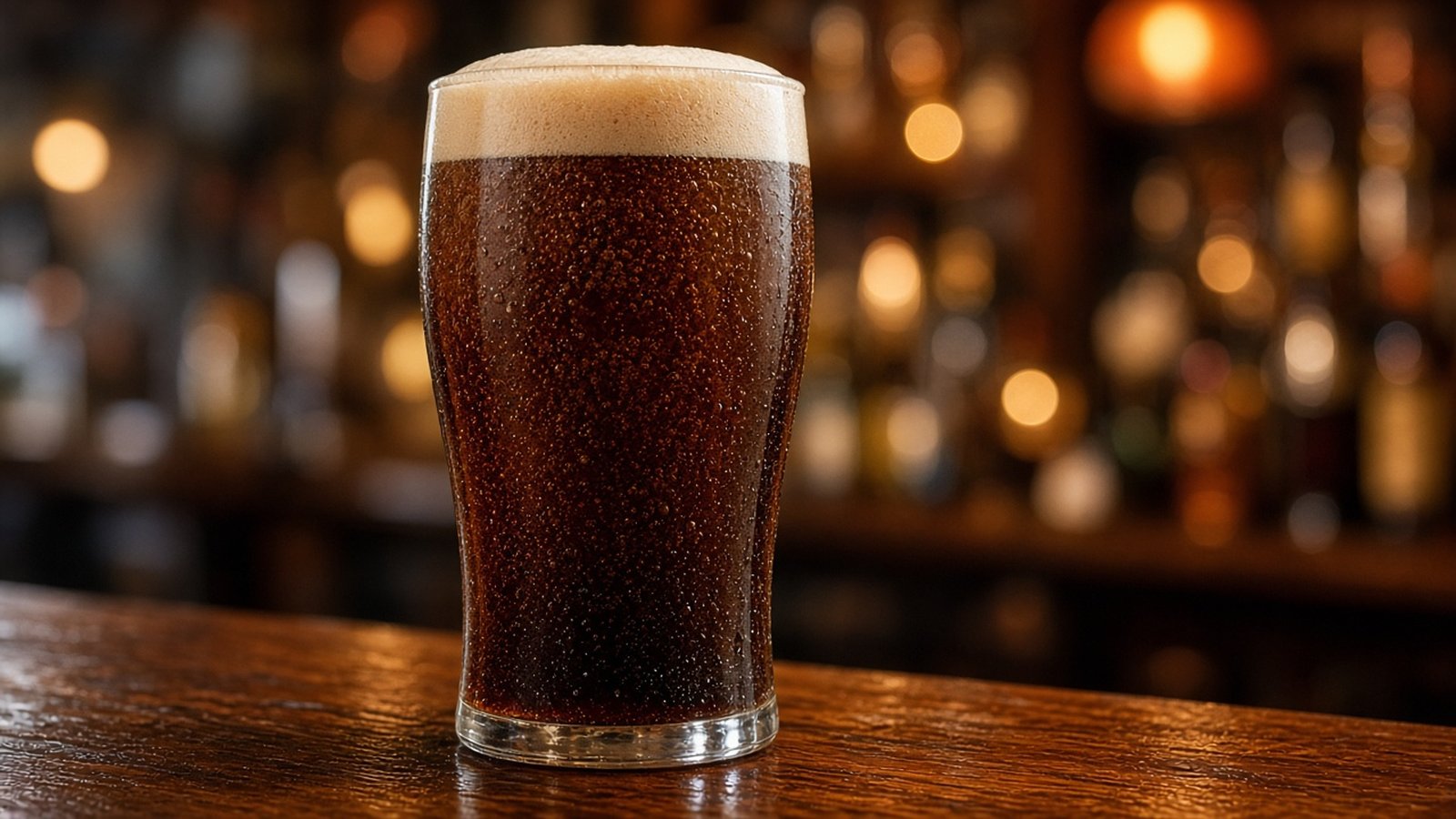
Few drinks are as closely tied to Irish pubs as a pint of stout. That dark body, creamy head, and slow, settling pour are part of the ritual. Yet many people order one without knowing what makes a good pint, or why the bartender makes them wait.
This guide explains the essentials: what stout is, how a proper pint is poured, what to look for in the glass, and how to get the most from every sip.
What is stout?
Stout is a dark beer made with roasted malt or roasted barley, which gives it its deep color and flavors of coffee, cocoa, and toast. It developed from porter, a dark beer popular in the eighteenth century, and became a signature drink in Ireland.
Not all stouts taste the same. The broad family includes:
- Dry or Irish stout: Light-bodied for its color, with a dry, roasty finish. This is the classic pub pint.
- Milk or sweet stout: Brewed with lactose for a softer, sweeter taste.
- Oatmeal stout: Made with oats for a silky, smooth texture.
- Imperial stout: Stronger and richer, usually served in smaller pours.
Why the pour takes time
Many draught stouts are served using a gas blend that includes nitrogen. Nitrogen creates tiny bubbles that give the beer its creamy texture and thick, tight head. Those bubbles need time to rise and settle, which is why a proper pint is often poured in two stages.
The two-part pour
- The first pour: The bartender tilts a clean glass and fills it most of the way.
- The settle: The pint rests on the bar while the cascading bubbles move through the glass and the dark beer separates from the creamy head.
- The top-off: Once settled, the glass is filled to the top, leaving a neat, slightly domed head.
Resist the urge to grab your pint during the settle. Waiting is part of the experience, and a rushed pint will not have the same texture.
What a good pint looks like
- Clean glass: No stray bubbles clinging to the sides, which can signal a dirty glass.
- Clear separation: A dark body topped with a distinct, creamy head.
- A firm head: Thick enough to hold its shape, usually a little under an inch.
- Lacing: As you drink, rings of foam should cling to the glass, marking each sip.
How to taste stout
You do not need to be a beer expert to appreciate a good stout. Try this simple approach the next time you order one.
Look and smell
Take a moment to admire the color and head. Then breathe in the aroma. You may notice roasted coffee, dark chocolate, or a hint of caramel.
Drink through the head
Take a confident sip through the creamy head rather than trying to avoid it. The contrast between the smooth foam and the beer underneath is a big part of the appeal.
Notice the finish
After you swallow, pay attention to what lingers. A dry Irish stout often finishes crisp and slightly bitter, while sweeter styles leave a rounder, softer taste.
Let it warm a little
Stout served too cold can taste muted. As it warms slightly in the glass, more flavor tends to come through.
Pairing stout with food
Stout is one of the most food-friendly beers. Its roasted flavors complement hearty dishes and even desserts.
- Oysters and seafood: A classic combination, with the beer's dry finish balancing briny flavors.
- Stews and pies: Beef and stout stew or shepherd's pie are natural partners.
- Burgers and grilled meats: Roasty notes echo the char from the grill.
- Cheese: Aged cheddar and other sharp cheeses stand up well to stout.
- Chocolate desserts: Chocolate cake or brownies bring out the cocoa in the beer.
For more on hearty pub fare, see our guide to traditional Irish food in San Diego.
Common myths about stout
"Stout is always heavy and strong"
A classic dry Irish stout is often lighter in body and alcohol than its dark color suggests. Strong, heavy stouts exist, but they are a different style.
"Stout is a winter-only drink"
Plenty of people enjoy stout year-round, including on mild San Diego evenings. A lighter dry stout can be surprisingly refreshing.
"You should never order stout in a bottle or can"
Draught is the classic way to enjoy it, but some packaged stouts are designed to recreate a creamy texture at home. Pour into a glass for the best experience.
Ordering stout like a regular
When you order, simply ask for a pint of the stout on tap, or name the one you want if the pub has several. If you would like something smaller, ask whether a half pint is available. Order your stout first if your group is getting a mix of drinks, since it will need time to settle while the others are poured. And if your pint arrives looking flat or with a thin, bubbly head, it is fine to mention it politely. A good bartender would rather fix it than have you drink a disappointing pint.
Enjoy it responsibly
A good pint is meant to be savored, not rushed. Pace yourself, drink water between rounds, and plan a safe ride home. If you are out with friends, our guide to Irish pub etiquette explains how rounds work so you can keep things relaxed and fair.
Frequently asked questions
Why is my stout cloudy when it is first poured?
That cloudy, cascading effect comes from nitrogen bubbles moving through the beer. It clears as the pint settles.
How long should a stout settle?
Usually somewhere around a minute or two, depending on the pour and the system. Your bartender will top it off when it is ready.
Is stout higher in calories than other beers?
Not necessarily. Many dry stouts are comparable to or lighter than other popular beers, despite their dark color. Check the specific beer if it matters to you.
Can you add anything to stout?
Some people enjoy stout mixed with other beers or ciders in layered drinks, but most stout lovers prefer it on its own so the flavors shine.


