 502 5th Ave San Diego, CA 92101 | (619) 233-8519

Irish Whiskey 101: Styles to Try at the Bar
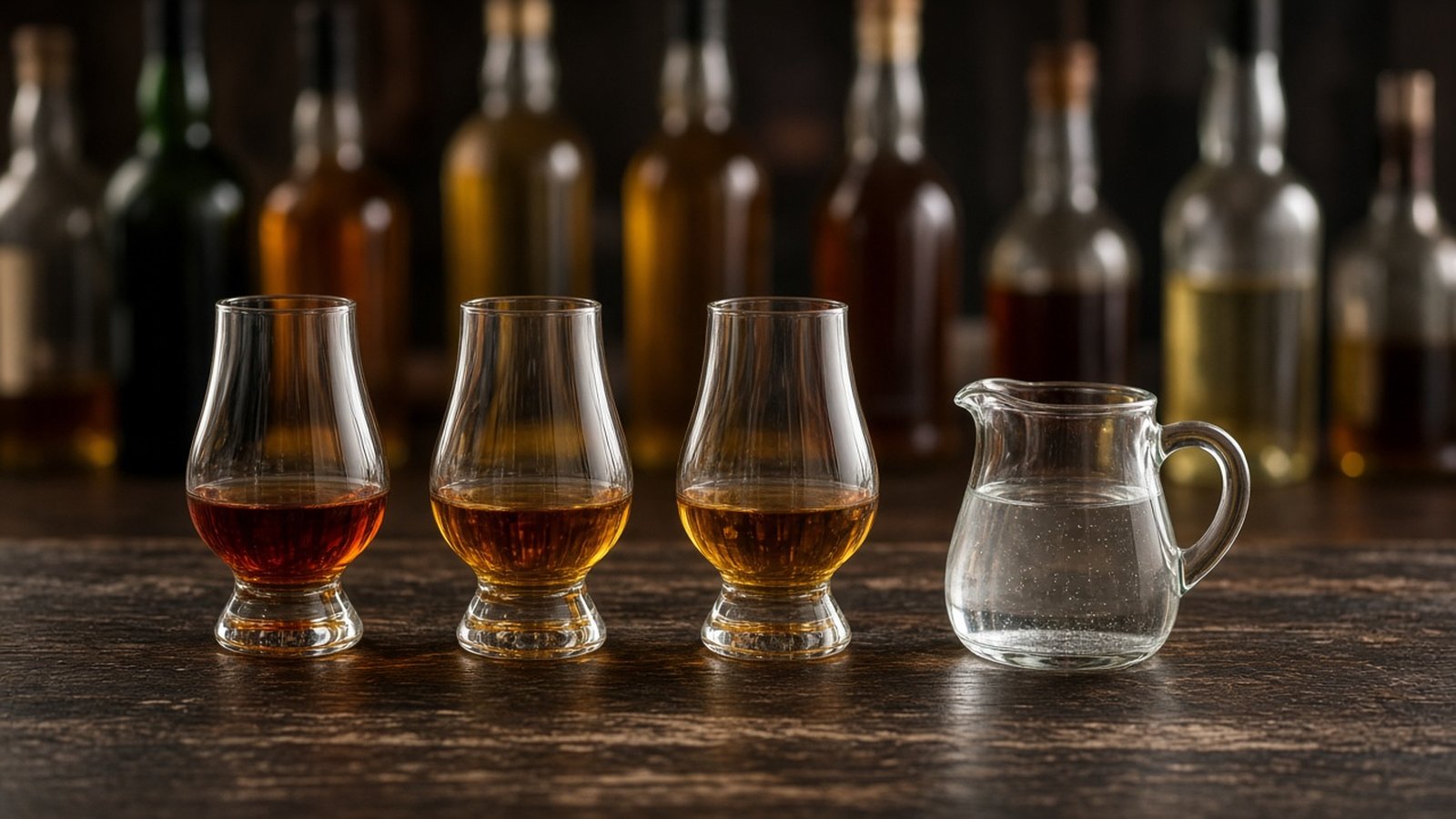
Irish whiskey has a reputation for being smooth, approachable, and easy to enjoy, which makes it a great place to start if you are new to whiskey. Walk into any Irish pub and you will usually find a shelf of bottles behind the bar, but the choices can feel overwhelming if you do not know the basics.
This guide explains what makes Irish whiskey distinctive, the main styles to look for, and how to order and taste it with confidence.
What makes whiskey "Irish"?
Irish whiskey must be distilled and matured on the island of Ireland. It is aged in wooden casks for a minimum of three years before it can be sold as Irish whiskey. You will also notice the spelling: Irish producers typically use "whiskey," with an "e," while Scotch is spelled "whisky."
Many Irish whiskeys are triple distilled, a process often associated with a lighter, smoother character. Not every Irish whiskey is made this way, but it is one reason the category is known for being approachable.
The main styles of Irish whiskey
Blended Irish whiskey
Blends combine different types of whiskey, usually grain whiskey with malt or pot still whiskey. They are the most common style and often the most budget-friendly. Expect a light, easy-drinking profile with notes of vanilla, honey, and soft fruit. Blends are a great starting point and work well neat, on ice, or in mixed drinks.
Single malt Irish whiskey
Single malt is made entirely from malted barley at a single distillery and distilled in pot stills. Irish single malts tend to be fruity and smooth, though cask choices can add richer notes like chocolate, spice, or dried fruit.
Single pot still Irish whiskey
This style is closely associated with Ireland. It is made at a single distillery from a mash of both malted and unmalted barley, distilled in pot stills. The unmalted barley gives it a creamy, oily texture and a distinctive spicy character. If you want to taste something especially Irish, this is the style to ask about.
Single grain Irish whiskey
Single grain whiskey is made at one distillery using grains such as corn or wheat, often with some barley, and usually in column stills. It is typically light and sweet, sometimes with a delicate, almost creamy finish.
How casks shape flavor
Much of a whiskey's flavor comes from the barrels it ages in. Many Irish whiskeys are matured in casks that previously held bourbon, which add vanilla and caramel notes. Others are finished in casks that once held sherry, port, wine, or rum, adding fruit, spice, or sweetness. If you see a cask finish mentioned on a menu, it is a clue to the flavor you can expect.
How to order at the bar
- Ask for a recommendation. Tell the bartender what you usually drink and whether you prefer something light, sweet, spicy, or rich.
- Specify how you want it. "Neat" means served at room temperature with nothing added. "On the rocks" means over ice. "With a splash" means a little water on the side or in the glass.
- Try a smaller pour. If you want to compare, ask whether the bar offers smaller measures or a tasting flight.
- Start light, then go richer. If trying several, begin with lighter blends and finish with fuller single pot still or cask-finished whiskeys.
How to taste Irish whiskey
- Look. Note the color. Darker whiskey is not always older, but color can hint at the type of cask used.
- Smell gently. Keep your mouth slightly open and nose the glass softly. Strong alcohol can overwhelm if you breathe in too hard.
- Sip slowly. Let the whiskey coat your mouth before swallowing. Look for sweetness, fruit, spice, or wood.
- Add a drop of water. A small splash can open up aromas and soften the alcohol. Try a sip before and after to compare.
- Notice the finish. Pay attention to flavors that linger after you swallow, and how long they last.
Ways to enjoy Irish whiskey beyond neat
- Irish coffee: Hot coffee, Irish whiskey, sugar, and a layer of lightly whipped cream. A classic pub comfort drink.
- Highball: Irish whiskey with soda water or ginger ale over ice, a refreshing choice on a warm San Diego evening.
- Whiskey sour: A balanced mix of whiskey, citrus, and sweetness.
- With food: Lighter whiskeys pair well with seafood and salads, while richer styles suit hearty dishes, aged cheeses, and desserts. Our guide to traditional Irish food in San Diego has pairing ideas.
Whiskey and stout
Whiskey and a pint of stout are a familiar pub pairing. Some people like to alternate sips, letting the roasted, creamy beer contrast with the warmth of the whiskey. If you are curious about the beer side, read our guide on how to enjoy a proper pint of stout.
Drink responsibly
Whiskey is meant to be sipped and savored. Pace yourself, drink water alongside it, and plan a safe ride home. A good whiskey experience is about flavor and conversation, not quantity. For more on enjoying the full pub atmosphere, see our overview of the Irish pub experience in San Diego.
Frequently asked questions
Is Irish whiskey smoother than Scotch?
Many people find Irish whiskey smoother and lighter, partly because of triple distillation and because peat smoke is less common. Both categories include a wide range of styles, though.
What is the best Irish whiskey for beginners?
A blended Irish whiskey is a good starting point. It is light, approachable, and versatile neat, on ice, or mixed.
Should I add ice or water?
It is entirely up to you. A few drops of water can open up flavor, while ice chills and mellows the whiskey. Try it a few ways.
What does "single pot still" mean?
It refers to whiskey made at a single distillery from malted and unmalted barley and distilled in pot stills, a style closely associated with Ireland.


