 502 5th Ave San Diego, CA 92101 | (619) 233-8519

Pub Trivia Night: How to Build a Team and Actually Win
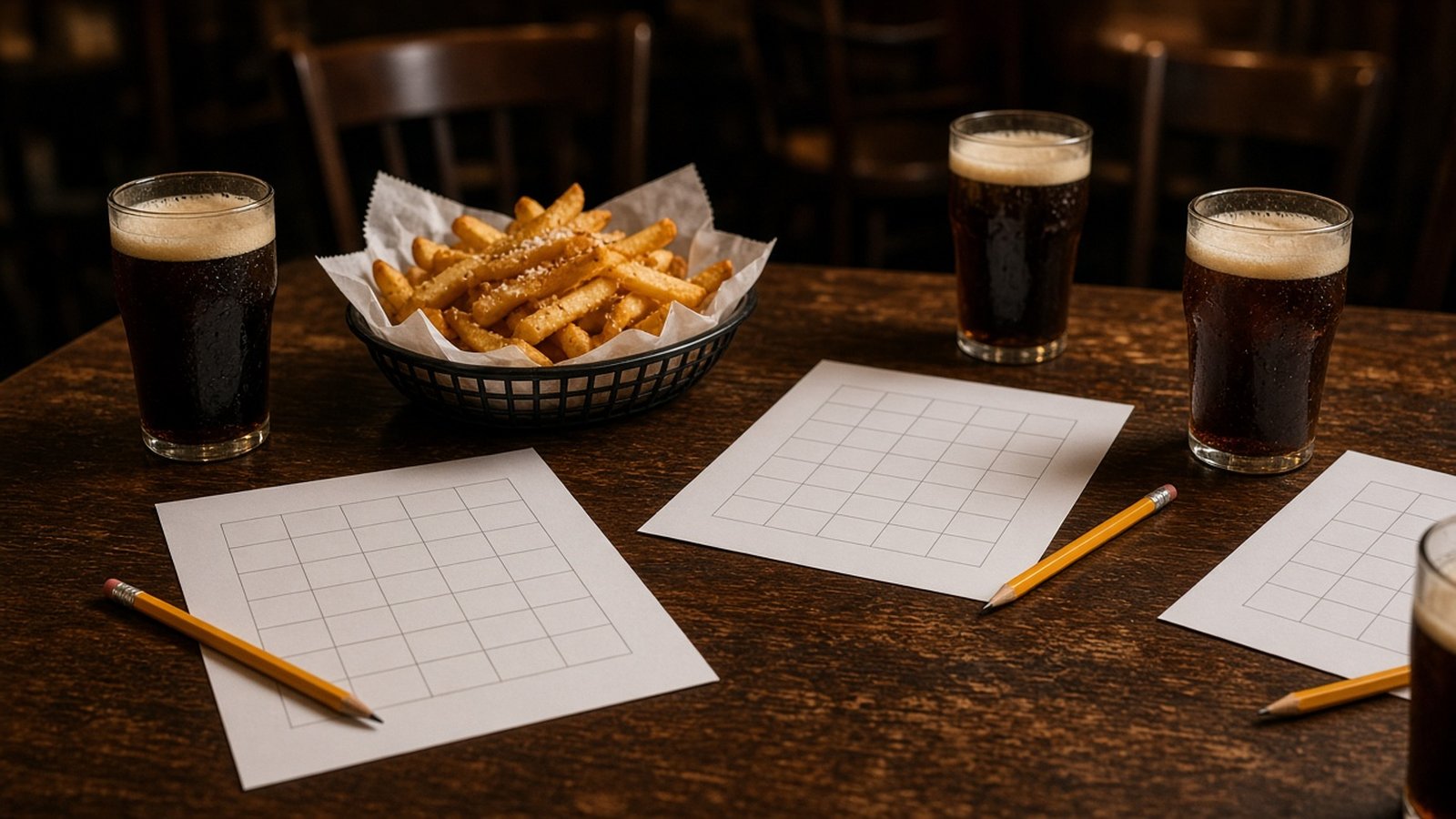
Pub trivia is one of the best ways to spend a weeknight. It gets a group of friends around a table, gives everyone a reason to talk, and offers just enough competition to keep things interesting. Many pubs host quiz nights, and regular teams often become a familiar part of the room.
If you have ever finished a quiz convinced you should have done better, this guide is for you. Here is how to build a strong team, play smarter, and have a great night whether you win or not.
How pub trivia usually works
Formats vary from pub to pub, but most quiz nights follow a similar pattern. A host reads questions in rounds, teams write answers on a sheet, and the sheets are collected and scored after each round. Rounds might cover general knowledge, music, sports, film, history, geography, or a picture or audio round. Many quizzes include a final question or bonus round where teams can wager points.
Before the first round begins, listen carefully to the rules. Find out how answers are marked, whether spelling counts, and how ties are broken.
Building the right team
Aim for range, not just brains
The strongest trivia teams are not made up of the smartest people in the room. They are made up of people who know different things. A great team covers a wide spread of topics.
- The pop culture expert: Film, TV, celebrity, and recent music.
- The history and geography buff: Capitals, flags, dates, and world events.
- The sports fan: Teams, records, and famous moments across different sports.
- The science and nature mind: Elements, animals, the human body, and space.
- The music lover across generations: Older classics often trip up younger teams, and vice versa.
Mix up the ages
Teams with members from different generations have a natural advantage, since questions often span decades of music, film, and news.
Keep it to a manageable size
Many quizzes limit team size, and even when they do not, four to six players is usually ideal. Larger teams can get noisy and slow down decisions.
Choose a team name
A good team name is half the fun. Puns, local references, and inside jokes all work. Keep it something the host can read aloud comfortably in a family-friendly room. A memorable name also helps your team become recognizable if you come back week after week.
Strategy during the quiz
Appoint a writer
Choose one person to write the answers and keep the sheet tidy. Clear, legible answers avoid lost points to misreading.
Whisper, do not shout
Nearby teams can overhear you. Lean in, keep your voices down, and write ideas on scrap paper rather than announcing them.
Trust your first instinct, sometimes
When someone has a confident gut answer, it is often right. Long debates can talk a team out of a correct answer. Agree on a simple rule, such as going with the first confident answer unless someone has a specific reason to change it.
Never leave a blank
A guess costs nothing in most formats. An educated guess based on context can earn points that a blank never will.
Read the question twice
Many lost points come from misreading the question rather than not knowing the answer. Watch for words like "not," "first," or "last."
Use wagers wisely
If the quiz includes a wager round, look at the scoreboard. If you are well ahead, a cautious bet may protect your lead. If you are behind, you may need to take a bigger risk.
Common mistakes that cost points
- Changing a right answer at the last second. Second-guessing under pressure loses more points than it wins.
- Letting one voice dominate. The quietest person at the table often knows the answer. Make a habit of asking everyone.
- Ignoring the theme. Round titles are often hints. If the round is called "Hidden Colors," every answer probably contains one.
- Running out of time. Fill in quick answers first and come back to the hard ones before the sheet is collected.
Respect the rules and the room
- No phones during rounds. Looking up answers ruins the game for everyone and usually gets teams disqualified. Keep phones face down.
- Be kind to the host. Hosts work hard, and disputes are best raised politely between rounds.
- Order between rounds. Help your bartender and servers by ordering during breaks rather than in the middle of a question.
- Tip your staff. Quiz nights keep bar staff busy, so tip as you would on any night out.
Practicing between quiz nights
You do not need to study, but a little general awareness helps. Following the news, playing quiz apps, and swapping trivia with friends all keep your knowledge fresh. Regular teams often notice the kinds of questions a particular host likes, from music decades to sports categories.
Make it a great night out
Trivia pairs perfectly with good food and a relaxed pub atmosphere. Arrive early to claim a table, order some shared plates, and settle in. If your crew enjoys sports as much as quizzing, our guide to the San Diego sports bar scene has ideas for game nights too. And before your next quiz, brush up on Irish pub etiquette so rounds and seating go smoothly.
Frequently asked questions
How many people should be on a trivia team?
Four to six is a good range for most pub quizzes. Check the host's rules, since some quizzes set a maximum.
Can I play pub trivia on my own?
Yes. Some people play solo for fun, and hosts or other teams are sometimes happy to welcome an extra player.
What topics come up most often?
General knowledge, music, film and TV, sports, history, and geography are common. Many quizzes also include a picture or audio round.
Do I need to book a table for trivia night?
Policies vary. On popular nights, arriving early or asking the pub about reservations is a good idea.


